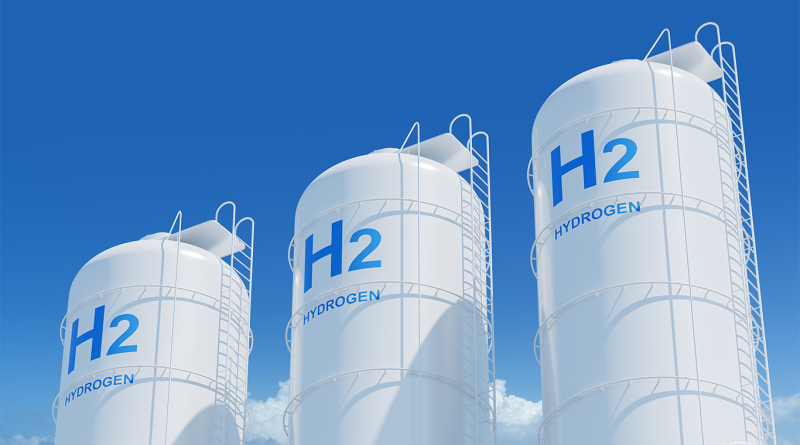
Why natural hydrogen is emerging as the next frontier in Australia’s energy transition

Natural hydrogen has rapidly moved from a niche exploration concept to one of the most closely watched segments of the global energy industry. As governments and investors search for lower-carbon energy sources that can complement renewable power generation, naturally occurring hydrogen reserves are attracting increasing attention. Australia, already established as a major resources producer, is emerging as a key battleground in the race to identify commercially viable hydrogen deposits.
Among the companies seeking to establish an early position in the sector is Thor Energy, which has continued to advance its HY-Range natural hydrogen and helium project in South Australia. The company’s progress reflects a broader shift within the energy industry, where explorers are increasingly targeting naturally occurring hydrogen resources alongside traditional minerals and energy commodities.
The development comes at a time when South Australia is strengthening its reputation as one of the world’s most ambitious renewable energy jurisdictions. The state has become a focal point for hydrogen-related investment, with projects ranging from green hydrogen production facilities to underground storage initiatives and natural hydrogen exploration programs.
The growing appeal of natural hydrogen
Hydrogen has long been viewed as a potential solution for decarbonising industries that are difficult to electrify, including heavy manufacturing, shipping and certain transport applications. However, much of today’s hydrogen production remains dependent on fossil fuels, while green hydrogen projects powered by renewable energy can be capital intensive and technically complex.
Natural hydrogen presents a different proposition.
Rather than manufacturing hydrogen through electrolysis or other industrial processes, explorers are searching for naturally generated accumulations trapped underground. Advocates argue that successful discoveries could offer a lower-cost and potentially lower-carbon source of hydrogen than many existing production methods.
This has sparked growing exploration activity across several regions globally, including Australia, Africa, Europe and North America. Industry interest has accelerated as researchers improve their understanding of the geological processes responsible for generating hydrogen within the Earth’s crust.
For investors, the appeal lies in the possibility of accessing a potentially significant new energy resource during the early stages of sector development. While commercial production remains limited globally, exploration success could reshape expectations surrounding hydrogen supply and economics.
Thor Energy’s strategy reflects this emerging opportunity. The company has increasingly focused its portfolio on natural hydrogen and helium exploration, positioning the HY-Range project as a central component of its future growth plans.
Why South Australia matters
South Australia offers several characteristics that make it particularly attractive for hydrogen exploration.
The state has established itself as a leader in renewable energy deployment and continues to attract substantial investment into clean energy infrastructure. Government support, favourable geology and a mature mining and energy sector have combined to create a supportive environment for emerging energy technologies.
For natural hydrogen explorers, geological potential is the key attraction.
Thor’s HY-Range project operates under Regulated Substance Exploration Licence 802, an area that has become increasingly significant following regulatory changes that enabled hydrogen exploration under South Australia’s licensing framework. The licence conversion represented an important milestone, allowing the company to advance dedicated hydrogen and helium exploration activities.
Recent exploration work has delivered encouraging results. Soil geochemistry programs identified elevated hydrogen and helium readings across multiple areas within the licence, supporting the presence of active subsurface systems. Several hydrogen measurements exceeded 1,000 parts per million, with peak readings reaching approximately 3,000 parts per million. Helium anomalies were also recorded, further strengthening confidence in the area’s geological potential.
While exploration results do not guarantee commercial discoveries, they provide valuable evidence that can guide future drilling decisions and resource evaluation programs.
The company has also expanded geochemical surveying activities and continues to gather additional subsurface data designed to improve target selection. Recent work has focused on refining exploration models, increasing sample density and identifying the most prospective areas for future drilling campaigns.
Building a position in an emerging industry
The race to establish a leadership position in natural hydrogen exploration remains at a relatively early stage. Unlike mature commodity markets such as copper, gold or oil, the sector is still developing its technical standards, exploration methodologies and commercial benchmarks.
This creates both opportunities and risks.
Companies capable of securing prospective ground early may benefit if natural hydrogen develops into a significant commercial industry. At the same time, exploration success remains uncertain and substantial technical work is required before production can be contemplated.
Thor has sought to balance this risk profile by maintaining exposure to other strategic resources while progressively increasing its hydrogen focus. Alongside HY-Range, the company retains interests across a broader portfolio that includes copper, gold and critical minerals projects.
Recent portfolio restructuring has also provided additional financial flexibility. Asset sales and project rationalisation have allowed the company to redirect resources toward its hydrogen strategy while maintaining exposure to other commodities that could benefit from global energy transition trends.
The broader market backdrop may also support continued interest in the sector. Governments worldwide are developing hydrogen strategies aimed at improving energy security, reducing emissions and supporting industrial decarbonisation. While much attention remains focused on green hydrogen production, naturally occurring hydrogen resources could eventually become an important part of the supply mix if commercial volumes are proven.
For South Australia, successful exploration outcomes could further strengthen the state’s position as a global hydrogen hub. The region already hosts multiple hydrogen-related initiatives spanning production, storage and infrastructure development, creating a growing ecosystem that may benefit future projects.
As exploration programs continue across the HY-Range licence area, investors and industry observers will be watching closely for further technical results. Seismic surveys, geochemical analysis and future drilling campaigns are expected to provide a clearer picture of the project’s ultimate potential.
What remains clear is that natural hydrogen has moved beyond being a scientific curiosity. It is increasingly being viewed as a potentially significant energy resource, and companies positioning themselves early could play an important role in shaping the next phase of the hydrogen economy. For Thor Energy, the progress being made in South Australia represents another step toward testing whether that opportunity can be translated into commercial reality.
Source: