How VPI’s Humber Zero carbon capture project can power regional growth from Immingham

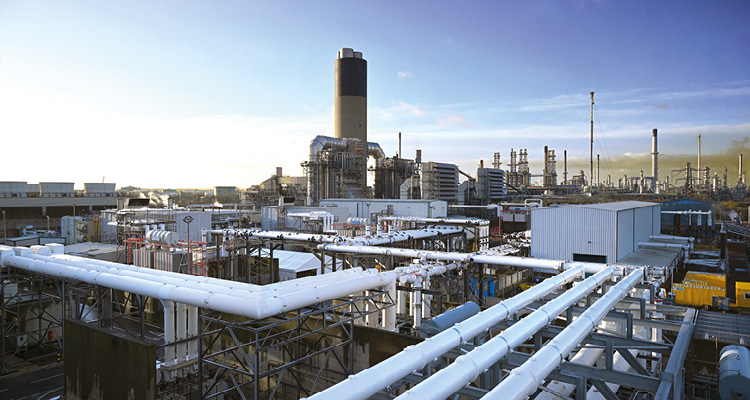
The Humber is one of the UK’s most important industrial clusters and a critical part of the country’s energy system. At its center is VPI’s Immingham facility: a 1.2GW combined heat and power plant that supplies electricity to customers across Britain, and power and steam to local industrial facilities.
As Immingham and other industrial assets age, the question is how to extend their productive life. Humber Zero offers a practical answer. By refurbishing VPI’s Immingham plant and fitting carbon capture technology, the project would help keep a strategic energy asset operating while reducing its carbon footprint. VPI’s project could capture up to 3.3 million tons of CO2 a year, with the captured carbon transported and stored through the Viking CCS network in the North Sea. Combined with the neighboring Phillips 66 Limited’s Humber Refinery Humber Zero carbon capture project, this would bring the total up to 3.8 million tons a year once operational, enough to help start the wider Humber decarbonization cluster and support the Government’s regional growth ambitions.
“Whatever your view on CCS as a technology, or on net zero, the positive impact that projects like Humber Zero and Viking CCS could have on the Humber economy is difficult to replicate,” says Jonathan Briggs, VPI’s Director of Development and Delivery, who is leading the project. “VPI’s investment alone is expected to be more than £1.5 billion. At peak construction, we expect around 1500 jobs in the area, alongside around 50 permanent roles over the longer term. It is also a major opportunity for the UK supply chain, with around 70-to-80 percent of project requirements expected to be sourced from British companies.” That means high-value work for British contractors across areas such as pumps, piping, and welding, as well as engineering and project management.
Across the wider Humber cluster, the prize is larger still, with around £3 billion investment and up to 18,000 jobs safeguarded across the region at its peak. For people starting their career in power, like Ciara Foran, one of VPI’s graduates, that presents exciting prospects for the future. “I moved to Hull last year after studying chemical engineering in Sheffield because it was clear the Humber was becoming the place to build a future in energy. The region’s traditional industries are evolving, and new projects like Humber Zero are creating opportunities you simply don’t find in many other parts of the country,” Ciara explains.
Ready to go
Over the last six years, Harbour Energy, Phillips 66, and VPI have developed projects that work together commercially and technically, strengthening the case that the cluster is ready to move from development to delivery.
Unlike many emitter projects still working through early-stage development, Humber Zero has already cleared several of the biggest hurdles. For example, VPI has secured planning permission and holds an environmental permit, which typically takes one-to-two years to obtain from the Environment Agency. The UK Government has also recognized the project as a viable start-up emitter for the Viking cluster. Reaching this point has required a multi-year, multi-million-pound investment by VPI. As a result of that investment, policy support can be translated more quickly into private investment, jobs, and construction activity – an important distinction when government is making difficult choices about how best to support regional growth.
VPI’s ambition is to reach Final Investment Decision within this Parliament, in line with the Viking CCS delivery schedule. This would enable construction to begin and the plant to be operational by 2031, following a three-to-four-year build program. Humber Zero will use Shell Cansolv technology, which has already been deployed elsewhere, and VPI is working with experienced CCS engineering partners, including Technip, helping to reduce delivery risk and accelerate deployment.
Value for money
Humber Zero is also a strong value-for-money proposition. Rather than building new power generating infrastructure from scratch, VPI would retrofit carbon capture technology onto its existing Immingham site, reducing costs by around a third. The project also benefits from infrastructure that is already in place, including one of the hardest things to secure in energy today: grid connections.
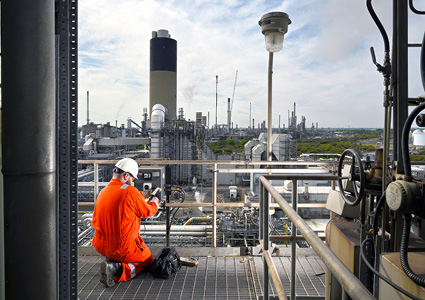
Its location is another advantage: there is land for the carbon capture plant immediately next door, and a direct connection to the Viking pipeline being developed on the same site. Much of the pipeline route to the North Sea store already exists. Together, those factors make Humber Zero and Viking CCS a lower-cost, lower-risk route to developing a CCS cluster.
Kickstarting a bigger opportunity
Humber Zero is the starting point, not the full opportunity. Once the first emissions are flowing into Viking CCS, the network can begin to serve other industrial sites. Already located near a high concentration of existing industry, the transport and storage network also has direct access to ABP’s Port of Immingham, the UK’s largest port by tonnage, and large-scale UK CO2 storage in the North Sea. That presents a powerful case for having the potential to attract more emitters, bring in more investment, and create a carbon sequestration service that supports GDP growth.
What is needed now
The UK is looking for growth, private investment, and places to deliver both. The Humber has the infrastructure, industrial expertise, and workforce to make that happen. Humber Zero offers a practical way to protect an existing strategic asset, cut emissions, unlock new investment, and create a platform through the Viking CCS network for further growth across the region.
“We are at a tipping point,” Jonathan concludes. “There are natural overlaps between the big questions the UK is trying to answer right now: affordability, growth, industrial competitiveness, and decarbonization.” Humber Zero shows how those aims can reinforce one another when investment is focused on places that already have the right assets, skills, and infrastructure. The next step is for the UK Government to give the project the green light through the forthcoming Spending Review, so it can deliver these ambitions.